

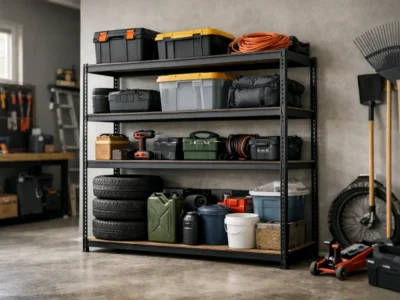
A garage usually stops working well long before it runs out of square footage. The problem is rarely the room itself. It is the way that storage gets stacked, shuffled, and piled until bikes block bins, tools disappear behind holiday décor, and every project starts with moving three other things out of the way. A heavy duty shelving system for garage storage solves that problem when it is planned around real weight, real use, and the way your household actually lives.
For many homeowners, shelving sounds simple until they start loading it. Paint cans, power tools, coolers, automotive supplies, sports gear, bulk paper goods, and storage totes add up fast. What looks sturdy in a showroom or online photo may not stay level, safe, or organized after a season of daily use. That is why the right system is not just about adding shelves. It is about creating dependable structure in a space that carries some of the heaviest and most awkward items in the home.
The True Purpose of a Heavy Duty Garage Shelving System
A good garage shelving system should do more than hold boxes. It should protect floor space, keep heavy items accessible, and create zones that make sense for the way you move through the garage every day. If you have kids in sports, that may mean open shelves for team gear near the garage door. If you handle home projects, it may mean placing durable shelving beside a workbench for fast access to tools and supplies.
Strength matters, but so does usability. Deep shelves can hold more, but if they become a dumping ground, they stop being efficient. Tall shelving can maximize vertical space, but not every item should live overhead. The best design balances capacity with reach, safety, and visibility.
This is where homeowners often see the difference between a quick fix and a one-time investment. A professionally designed system considers what you own now, what tends to accumulate over time, and how to keep the garage functional without looking cluttered.
Material and construction matter more than most people expect
Not all heavy-duty shelving is built for the same environment. Garages deal with temperature swings, dust, humidity, and constant loading and unloading. Shelving that performs well in a closet or utility room may not be the right choice in a garage.
Steel shelving is a popular option because it handles high weight capacity and resists the sagging that can happen with lighter materials. It works especially well for dense storage such as tool cases, automotive fluids, and packed bins. The trade-off is appearance and flexibility. Some steel shelving systems are strong but look more industrial than finished, which may not align with homeowners who want a cleaner, more polished garage.
Laminate or cabinet-integrated shelving can deliver a more refined look while still providing substantial load support when engineered correctly. This is often the better fit for households that want their garage to feel like an extension of the home rather than a catch-all utility zone. The key is making sure appearance does not come at the expense of strength.
Mounting method also matters. Freestanding units can be useful, but wall-mounted systems often improve stability, simplify cleaning underneath, and help create a more intentional layout. In garages with active family traffic, that extra security can make a meaningful difference.
Capacity is not just a number on a product sheet
One of the biggest mistakes homeowners make is underestimating total shelf load. A single shelf holding several packed storage totes, a toolbox, and extra household supplies can weigh far more than expected. Even when a unit technically meets the weight requirement, the real question is whether it will do so reliably over time.
Weight capacity should be evaluated shelf by shelf and across the full system. You also want to think about load distribution. Heavy items concentrated in one spot can stress a shelf differently than evenly spaced bins. That is one reason system design matters. A smart layout places the densest storage on lower levels, keeps awkward items from becoming tipping hazards, and avoids forcing every category of storage into one oversized rack.
If your garage stores a mix of light seasonal items and very heavy equipment, a hybrid approach is often best. Shelving handles bins, tools, and household overflow, while cabinets hide chemicals or valuables and overhead racks take rarely used items off the floor. No single storage product should be expected to solve every problem.
The best layout starts with zones, not shelf count
When people shop for garage shelving, they often ask how many shelves they need. A better question is what needs to happen in the garage. Is it mainly for parking and family storage? Is it also a workshop? Does it need room for lawn equipment, coolers, and camping gear? The answers shape the shelving plan.
A practical layout usually includes a daily-access zone, a bulk-storage zone, and a long-term storage zone. Daily-access shelves should hold the things your household reaches for often, such as sports bags, cleaning supplies, and grab-and-go utility items. Bulk storage is better for backup paper products, beverage stock, and labeled bins. Long-term storage belongs either on higher shelving or in other systems entirely, depending on size and frequency of use.
This kind of zoning prevents one common problem – shelves becoming a wall of identical totes that nobody wants to sort through. Organization works best when the system reduces friction. You should be able to find what you need, return it easily, and keep the floor clear enough to use the garage comfortably.
Safety is a real concern in family garages
Garage storage should not only look organized. It should be safe around cars, children, and frequent movement. Heavy shelving that is overloaded, poorly anchored, or placed too close to vehicle doors can create risks that do not show up on day one.
Lower shelves should carry the heaviest loads. Hazardous materials should not sit where children can reach them. Frequently used items should not require climbing or overreaching. If bikes, strollers, or rolling equipment move through the space often, shelving depth and placement need to support that traffic pattern instead of narrowing it.
Professional installation can help avoid the issues that lead to future failure. Wall conditions, concrete variation, clearance requirements, and anchor selection all affect long-term performance. A shelving system may look straightforward, but what keeps it secure is usually hidden behind the finished result.
Why custom planning outperforms one-size-fits-all shelving
Off-the-shelf shelving has a place, but it often leaves homeowners making compromises. Shelf heights may not match actual bin sizes. Unit widths may waste wall space. The finished look can feel pieced together rather than intentional. Most importantly, standard units are rarely planned around the full storage mix in a busy family garage.
Custom shelving design solves for the whole room. It takes into account obstacles like garage doors, water heaters, electrical panels, and vehicle swing space. It also creates a better visual result. That matters more than many people think. When a garage looks finished and organized, households are more likely to keep it that way.
This is also where a company like Garaginization brings value beyond the product itself. The goal is not just to install shelves. It is to design a storage system that supports how your family uses the garage every week, with professional installation that is meant to last.
When shelving should be combined with other storage systems
Heavy-duty shelving is excellent for accessible, high-capacity storage, but it works best as part of a broader plan. Open shelving is not ideal for everything. Some items look cleaner in closed cabinets. Some bulky seasonal items belong overhead. Smaller tools and accessories are often easier to manage on slatwall rather than piled into bins.
That does not mean you need every storage option available. It means the best garage results usually come from matching each item category to the right storage type. Shelving takes the weight and volume. Cabinets improve appearance and protection. Wall systems keep frequently used items visible. Overhead racks free up the footprint below.
A garage that feels easy to use is almost always one where these systems work together.
How to tell if your current shelving is falling short
Most homeowners know their shelving is not ideal before they can explain why. The signs are practical. Shelves bow under load. Items migrate to the floor because there is no logical home for them. The garage looks crowded even though the wall space is technically being used. Or the shelves hold plenty, but the things you need most are still hard to reach.
Those issues usually point to a design problem, not just a storage shortage. Better shelving does not simply add capacity. It improves access, safety, and the overall feel of the garage.
If your goal is a cleaner, more functional space that can handle real weight and real family life, it helps to think beyond generic racks. The right heavy duty shelving system for garage use should carry the load, fit the room, and make the entire space easier to live with every day. That is when storage stops being a patch and starts feeling like part of the home.
 How to Build Custom Garage Cabinets