
A wet tire track near the car, a spilled sports drink after practice, or a little rain carried in on shoes can turn an ordinary garage floor into a safety concern. So, are garage floor coatings slippery? Not necessarily. A professionally selected and installed coating can provide dependable footing, but traction depends on the coating system, its texture, the conditions in the garage, and how the floor is maintained.
The concern is understandable. Premium garage floors have a clean, polished appearance, and homeowners may assume that a glossy finish must be slick. In reality, appearance and traction are not the same thing. The right coating can make a garage easier to clean, more durable under daily use, and safer for a busy household with the correct finish and surface profile.
Are Garage Floor Coatings Slippery When Wet?
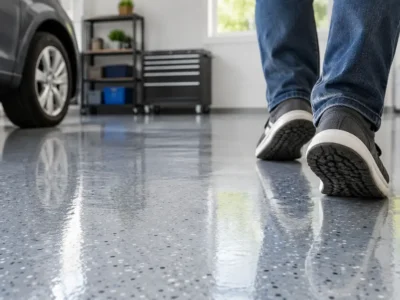
Any hard flooring surface can become more slippery when water, oil, soap, or automotive fluids sit on top of it. This includes bare concrete. In many cases, bare concrete is more difficult to manage because it is porous, uneven, and prone to staining. A quality coating creates a sealed surface, making spills easier to see and clean before they become a larger problem.
Still, no responsible flooring professional should promise that a smooth floor will have perfect grip under every condition. A coating with a high-gloss, smooth topcoat may feel slicker when wet than a system designed with decorative flakes or an added traction material. The goal is not to make the floor rough underfoot. It is to create practical traction that works for walking, unloading groceries, moving equipment, and everyday family routines.
For homeowners in areas that see frequent rain or humidity, moisture management deserves special attention. In Central Florida, for example, wet shoes and damp tires may be part of the normal routine. In North Texas, muddy cleats and rainstorms can create the same issue. The flooring recommendation should reflect how your household actually uses the space, rather than relying on a one-size-fits-all finish.
What Determines Garage Floor Traction?
Traction is influenced by more than whether a floor looks shiny. The material beneath your feet, the coating texture, and the substance on the surface all play a role.
The coating system
Epoxy and polyaspartic coatings can both create durable, attractive garage floors when installed correctly. Their final slip resistance varies based on the specific system and topcoat selected. A smooth, clear topcoat applied over a solid-color floor will feel different from a full-flake system with a textured finish.
The quality of surface preparation also matters. Concrete must be properly prepared so the coating bonds securely and cures as intended. A floor that is peeling, uneven, or poorly installed is not simply unattractive. It can create trip hazards and compromise the long-term performance of the space.
Decorative flakes and texture
Decorative color flakes do more than improve the visual finish of a garage. A full-flake floor creates subtle texture across the surface, which can improve traction compared with a completely smooth coating. The flakes also help disguise dust, light debris, and small marks between cleanings, a valuable advantage in a garage that supports bikes, tools, sports gear, and household storage.
For households that want additional grip, a professional can incorporate an anti-slip aggregate into the topcoat. This material is designed to increase surface traction without making the floor uncomfortable to walk on or difficult to sweep. The amount matters. Too little may not provide the desired benefit, while too much can make a floor feel abrasive and hold dirt more readily.
Water, oil, and everyday contaminants
Even a textured coating needs prompt attention when there is a spill. Water can reduce friction, while oil and greasy automotive fluids are especially slippery. A coated floor has a meaningful advantage here because it is far easier to wipe clean than unsealed concrete, where liquids can soak in and leave lingering stains.
A simple habit makes a difference: keep absorbent towels or appropriate cleaning materials nearby, then address spills as soon as they happen. If family members regularly enter through the garage with wet shoes, a durable entry mat placed where they step in can help contain moisture before it reaches the main floor area.
Footwear and use of the space
Rubber-soled shoes generally provide better grip than smooth-soled footwear. The floor also needs to match its job. A garage used primarily for parking and organized household overflow has different traction demands than one used frequently for fitness equipment, hobby projects, or washing vehicles.
During a design consultation, it helps to discuss the real routines that happen in the garage. Do children leave bikes and scooters near the entry? Does a family member use the space as a workshop? Are muddy gardening supplies, pool gear, or pet supplies common? These details guide a flooring recommendation that supports convenience without overlooking safety.
Choosing a Safer Coating Finish
The safest choice is usually not the roughest finish. It is the finish that balances traction, cleanability, durability, and the level of visual polish you want from a finished garage.
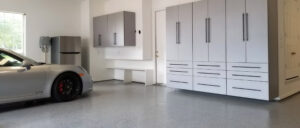
A full-flake coating system is a strong option for many homeowners because it adds visual depth and practical texture. It creates a refined, finished appearance that works well alongside custom cabinetry, wall organization, work surfaces, and overhead storage. Instead of a garage that feels like a catch-all space, the result is a coordinated environment built for daily use.
If wet conditions are frequent, ask about a topcoat with added traction. This is particularly useful near parking areas, exterior entry points, utility zones, and locations where water is more likely to collect. The installer should explain how the additive affects the feel of the floor and recommend an appropriate level of texture for your household.
A solid-color floor can also be a good fit, especially in garages where a clean, minimal appearance is the priority. However, homeowners should understand that a smoother surface may call for greater care when wet. Selecting the right topcoat is more important than choosing a color alone.
Safety Starts With Professional Planning
Flooring performance begins below the surface. Concrete condition, cracks, moisture levels, surface preparation, coating chemistry, application timing, and cure conditions all influence the finished result. These are not details to leave to chance when the floor will support vehicles, heavy storage systems, active children, and years of family use.
A professional garage transformation also considers how the floor works with the rest of the room. Storage should move seasonal bins, sports equipment, and bulky items off the floor wherever possible. Clear walkways reduce clutter-related trips and make it easier to spot water or spills quickly. A durable floor is most useful when the entire garage is designed for accessibility and order.
That is why Garaginization approaches garage flooring as part of a complete, one-time-investment solution. A finished floor should not just look impressive on installation day. It should help make the space easier to use, easier to maintain, and more comfortable for the routines that happen there every week.
How to Keep a Coated Garage Floor Safer
Once the right coating is in place, routine care is straightforward. Sweep away grit and debris periodically, since sand and dirt can affect footing and scratch the surface over time. Clean spills promptly with products appropriate for the coating, rather than allowing oils or cleaners to remain on the floor.
Avoid treating a coated floor as maintenance-free. It is low-maintenance, not no-maintenance. Place mats at entry areas when wet weather is common, check for leaks that could create recurring puddles, and keep pathways open by storing frequently used items in designated, accessible locations.
It is also wise to think about lighting. Good illumination makes wet patches, loose items, and dropped tools easier to notice. When a garage is organized around how your family moves through it, flooring safety becomes part of a larger, more functional design.
A garage floor coating does not have to be slippery to look polished. With the right texture, finish, and professional installation, it can support the clean, durable, family-friendly garage you want to use every day.
 From Bare Concrete to a Garage That Actually Works: Custom Garage Cabinets and Polyaspartic Garage Floor Coatings as One Project