
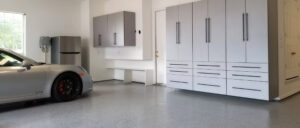
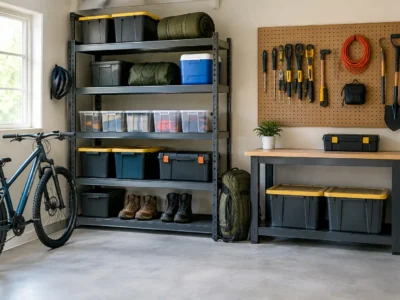
A garage becomes frustrating long before it looks completely full. It happens when the soccer bag blocks the lawn tools, bikes are difficult to reach, and every weekend project starts with moving three other things first. To organize garage gear effectively, the goal is not simply to put everything out of sight. It is to create an organized, durable system where the items your family uses most are easy to find, safe to store, and simple to put away.
For active households, garage organization has to accommodate real life: muddy cleats after practice, holiday decorations that appear once a year, tools needed for home maintenance, and camping equipment that should be ready when the next trip arrives. A professionally designed garage gives every category a place without sacrificing the floor space that makes the room useful.
Start by Sorting Garage Gear by How You Use It
The best storage plan begins with behavior, not products. Before selecting cabinets, wall systems, or overhead racks, consider what comes in and out of your garage each week, each season, and only occasionally. A baseball glove used every afternoon should not be stored in the same difficult-to-reach area as a tote of winter décor.
Create broad categories based on purpose and frequency of use. Most family garages have four practical groups:
- Daily and weekly items, such as sports bags, bikes, strollers, pet supplies, and frequently used tools
- Seasonal equipment, including holiday decorations, coolers, patio accessories, and seasonal sports gear
- Project and hobby supplies, from hand tools and paint materials to gardening and automotive accessories
- Long-term household storage, such as keepsakes, extra paper goods, and items reserved for future use
This approach prevents the common mistake of organizing by the size of an item alone. A large item that is used often still needs an accessible home. A small item used once a year can be placed higher or farther back.
As you sort, be honest about what has earned space in the garage. Broken equipment, duplicate supplies, and gear that no longer fits your family can consume valuable square footage. Removing those items first makes the design process clearer and helps prevent a newly organized garage from becoming crowded again.
Organize Garage Gear in Zones, Not Random Piles
Once categories are clear, assign each one a defined zone. This is what turns storage into a system rather than a row of containers. A zone gives your household a simple answer to the question, “Where does this go?”
The active-family zone should be closest to where people enter and leave. Sports gear, bike accessories, helmets, and outdoor play items belong where children and adults can reach them without climbing, digging, or moving heavy objects. Wall-mounted storage is particularly effective here because it keeps equipment visible, off the floor, and easy to return after use.
A work zone benefits from a durable workbench, organized drawers, and enclosed cabinetry. Keeping tools and project materials together reduces the time spent searching for basics and gives household tasks a permanent, usable home. Cabinets also protect supplies from dust and help create the clean, finished appearance many homeowners want from a garage transformation.
Seasonal items should be placed in higher-capacity areas that preserve prime access for everyday gear. Overhead storage racks can hold large, labeled bins above the active workspace, using vertical space that often goes unused. This is a strong option for bulky but lightweight seasonal items, provided the system is designed for the intended load and professionally installed for dependable support.
Use the Floor for Movement, Not Storage
The garage floor is the most valuable real estate in the room, yet it is often where clutter accumulates first. When bins, bikes, lawn equipment, and tools remain on the floor, parking becomes difficult and cleaning becomes nearly impossible. More importantly, piles create trip hazards and make it harder for children to safely access their own belongings.
A well-planned garage keeps the floor open for vehicles, walking paths, and flexible activity space. Vertical wall systems, cabinets, and elevated racks move gear upward while keeping it organized by category. The result is not merely more storage. It is a garage that functions with less daily friction.
This is also where capacity matters. Lightweight hooks may work for a single helmet or small accessory, but they are not a long-term answer for bikes, heavy tools, or densely packed bins. Premium systems are designed around the weight, dimensions, and frequency of use of the items they hold. That distinction is especially important for households that want a one-time-investment solution rather than a temporary fix.
Make Frequently Used Gear Easy to Put Away
A storage system only stays organized if everyone can use it. If a child cannot reach the place for a scooter helmet, or if returning a baseball bag requires moving other equipment, gear will end up on the floor again. Convenience is a core part of lasting organization.
Place daily items at comfortable reach height and give each item a clear landing spot. A dedicated hook or wall position for every bike, bag, and piece of protective equipment creates a natural reset routine. When the return path is simple, the garage is more likely to remain orderly between professional cleanings and weekend projects.
Open storage and enclosed cabinetry each have a role. Open wall storage is ideal for gear that needs quick access and visual reminders. Closed cabinets are better for chemicals, power equipment, hobby materials, and visual clutter that does not need to be on display. The right balance depends on your family’s routines and the look you want to achieve.
Protect Gear From Damage and Disorder
Organization should also protect the investment already sitting in your garage. Sports equipment can be damaged when it is stacked under heavy bins. Tools can rust or become hard to locate when they are stored loosely. Camping gear can develop odors or mildew when packed away before it is fully dry.
Give wet or dirty gear a designated area where it can air out before being stored. Use sturdy bins for loose seasonal items, and label them with broad, readable categories rather than overly detailed descriptions. “Camping kitchen” is easier to maintain than a label that lists every utensil inside.
For expensive or hazardous items, enclosed and lockable storage adds another layer of order and family safety. It keeps materials protected from dust, limits casual access, and makes the garage feel more like a finished extension of the home.
Plan for Change Without Starting Over
Families do not stay still. Children outgrow sports, hobbies change, and household needs evolve. A garage organization plan should have enough flexibility to adapt without requiring a complete overhaul every few years.
Adjustable wall accessories and thoughtfully designed storage zones make this easier. A wall area that holds youth bikes today may hold adult bikes tomorrow. A cabinet used for painting supplies can later serve as gardening storage. The foundation of the system should be durable and high-capacity, while the accessories and categories can shift as your life does.
It also helps to leave a small amount of open capacity. Filling every cabinet and rack to the limit may look efficient on installation day, but it leaves no room for new equipment, holiday purchases, or the natural accumulation that comes with family life. A little intentional breathing room keeps the garage useful.
When Professional Design Makes the Difference
There is no universal layout for every garage. Ceiling height, parking needs, available wall space, household gear, and the number of users all affect the best design. A solution that works for a couple with gardening equipment may not serve a family managing multiple sports seasons, bicycles, tools, and weekend hobbies.
A professional consultation helps identify underused space, determine safe load requirements, and create a layout that supports how your household actually lives. Garaginization designs and installs premium systems that combine cabinetry, heavy-duty wall storage, overhead racks, workbenches, and finished flooring into one coordinated plan. Trained installers ensure each component is placed for access, capacity, and long-term performance.
The payoff is immediate: less time searching, fewer obstacles underfoot, and a garage that welcomes your family home instead of reminding you of another project. Start with the gear that causes the most daily frustration, then give it a permanent place designed to work as hard as your household does.
 Best Slatwall Accessories for Garage Storage