

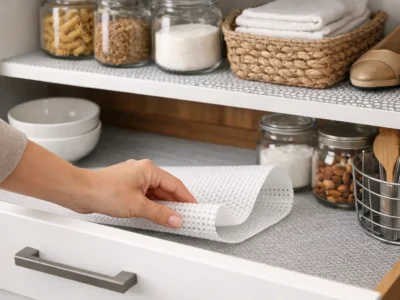
Open a garage cabinet and you can usually tell within seconds how hard that storage space is working. Scuff marks, oil drips, fertilizer dust, paint rings, and scraped-up shelving all point to the same question: what is the purpose of shelf liners, and are they actually worth adding? In a well-used garage, the answer is yes – but the reason goes beyond simply making shelves look neat.
Shelf liners act as a protective layer between your shelving surface and whatever you store on it. That sounds simple, but in a garage environment, that layer can make a meaningful difference in cleanliness, shelf life, and daily usability. When you are storing tools, automotive supplies, cleaning products, sports gear, and household overflow, shelves take constant abuse. A liner helps absorb some of that wear before the shelf itself is damaged.
What Is the Purpose of Shelf Liners in a Garage?
The main purpose of shelf liners is to protect surfaces from scratches, stains, moisture, and friction caused by stored items. In a garage, that matters more than it does in many indoor closets or pantries because the conditions are tougher. Temperature swings, dirt from outside, damp equipment, and heavier items all create more stress on cabinets and shelves.
Shelf liners also make maintenance easier. Instead of scrubbing directly on a finished shelf or trying to remove set-in residue, you are often cleaning or replacing the liner. For homeowners who want a garage that feels finished instead of temporary, that small detail helps preserve a cleaner, more polished appearance over time.
There is also a practical comfort factor. Items tend to sit more securely on many liner materials than they do on a slick cabinet surface. That can reduce sliding, rattling, and minor shifting when you reach for a bin, move a power tool, or load supplies after a weekend project.
Protection Is the Biggest Benefit
Most homeowners first think about shelf liners as a cosmetic add-on, but their real value is protection. Shelves inside garage cabinets often hold awkward, heavy, or dirty items. Toolboxes get dragged. Chemical containers leave residue. Garden products shed soil or granules. Sports equipment comes back wet or dusty.
Without a liner, all of that lands directly on the shelf. Over time, the shelf surface can scratch, stain, discolor, or wear down in high-contact spots. Even durable cabinet materials benefit from a barrier that takes the daily impact first.
This matters even more in premium garage systems. If you have invested in custom cabinetry or professionally designed storage, you want those surfaces to stay in good condition. Liners help extend the finished look rather than letting high-use storage areas age faster than the rest of the space.
Moisture control matters more than people expect
Garage storage often includes items that are not fully dry. Think pool gear, water bottles, sports cleats, car washing supplies, or a damp extension cord after yard work. Shelf liners do not waterproof a cabinet, but they can help create separation between moisture and the shelf surface.
That is especially useful when spills happen. A liner may contain a small mess long enough for easier cleanup, which reduces the chance of moisture soaking into edges, corners, or seams. It is not a substitute for proper cabinet material and good storage habits, but it is a useful extra layer of defense.
Shelf Liners Make Cleaning Faster
A garage can collect grime even when it is organized well. Sawdust, grass clippings, road dust, and general household debris find their way onto storage surfaces. Shelf liners simplify cleanup because they create a removable or wipeable layer that catches that debris before it settles into the shelf itself.
That convenience adds up. A shelf that is easy to wipe down is more likely to stay clean. A shelf that requires scrubbing around dried residue tends to get ignored until the mess becomes bigger than it should have been.
For busy families, that matters. Garage storage should support daily life, not create another maintenance project. If shelf liners help cut a 20-minute cleanup into a quick wipe, they have done their job.
They Can Improve Grip, but It Depends on the Material
Another answer to what is the purpose of shelf liners is traction. Some liner materials are designed to help keep items from sliding, which is useful if you store smaller containers, cleaning bottles, hand tools, or frequently accessed supplies.
That said, not every liner performs the same way. Some are soft and grippy. Some are more rigid and mainly intended for surface protection. In a garage, the best choice depends on what the shelf holds. A liner that works well under lightweight bins may not be ideal under very heavy equipment, where durability and compression resistance matter more than grip.
This is where homeowners can run into trial-and-error problems with off-the-shelf products. A low-cost liner might curl, bunch, crack, or shift under regular use. In a garage that sees constant traffic, a liner should support the storage system, not become another thing that needs fixing.
Shelf Liners Help a Garage Feel Finished
There is a visual reason shelf liners stay popular. They create a cleaner, more intentional look inside cabinets and on shelves. Even when the benefit is mostly practical, the result still affects how the garage feels as a whole.
A professionally organized garage is not just about getting things off the floor. It is about creating order that is easy to maintain. When shelves look clean, protected, and uniform, the entire storage system feels more complete. That may seem like a small detail, but details are often what separate a garage that looks pieced together from one that feels like a true extension of the home.
For homeowners who want a polished result, shelf liners can support that finished aesthetic. They are not the star of the system, but they contribute to the overall experience of opening a cabinet and seeing a space that is clean, durable, and ready for real use.
When Shelf Liners Make the Most Sense
Shelf liners are most useful in storage zones where mess, friction, or moisture are common. That includes cabinets holding automotive fluids, cleaning supplies, paint products, gardening items, and sports equipment. They also make sense in family garages where shelves are accessed often and things are not always placed down gently.
They may be less necessary in every single location. For example, a shelf storing large sealed bins might not need the same level of liner protection as a shelf holding loose household chemicals or frequently moved tools. This is one of those areas where more is not automatically better. The goal is smart protection where it adds value.
That is why professionally planned garage systems tend to work better than one-size-fits-all setups. The storage solution should match how your family actually uses the space. In some areas, shelf liners are an easy upgrade. In others, the better investment may be stronger shelving, enclosed cabinetry, or overhead storage that keeps bulky items out of the way entirely.
What Shelf Liners Cannot Do
Shelf liners are useful, but they are not a fix for poor storage design. They will not solve overloaded shelves, bad cabinet layout, or materials that are not suited for garage conditions. They also will not protect against every spill, every impact, or long-term exposure to harsh chemicals.
That is the trade-off homeowners should understand. A liner helps preserve and improve a shelf, but it does not replace the need for durable cabinets and a storage plan built around weight, access, and safety. If your garage is crowded, inconsistent, or difficult to maintain, shelf liners may help at the margins, but they will not transform the space on their own.
A better approach is to see them as part of a complete system. Strong shelving, quality cabinetry, smart vertical storage, and easy-to-clean surfaces work together. The liner simply adds another layer of performance.
Should You Add Shelf Liners?
If your garage shelves see regular use, the answer is usually yes. Shelf liners protect the surfaces you paid for, cut down on cleanup, and help cabinets stay looking newer for longer. In a hard-working garage, those are practical benefits, not decorative extras.
The key is making sure they fit the type of storage you actually need. Families using the garage for bikes, tools, seasonal gear, and household overflow tend to benefit most when shelf liners are part of a larger organization strategy rather than a standalone fix.
That is where expert planning matters. A well-designed garage should not just store more. It should stay cleaner, function better, and hold up under real life. Shelf liners play a supporting role in that outcome, and sometimes the smartest upgrades are the ones that keep the entire system working better day after day.
When your garage is built to handle how your family really lives, even the shelves start doing more work for you.
 Best Heavy Duty Shelving Units for Garages