
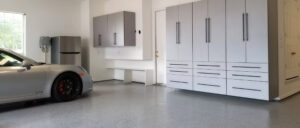
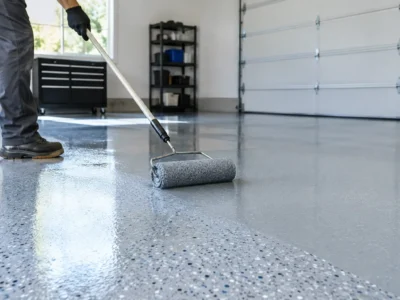
A garage floor has to handle more than parked vehicles. It takes muddy cleats, dropped tools, bicycle tires, lawn equipment, paint spills, pet paws, and the steady traffic of a busy family. This polyaspartic floor coating review looks at whether this premium flooring option delivers the clean appearance and long-term performance homeowners expect from a one-time investment.
For many homeowners, the short answer is yes – when the concrete is properly evaluated, prepared, and professionally coated. Polyaspartic systems are not simply decorative paint. They are high-performance coating systems designed to protect concrete while giving the garage a finished, easy-to-maintain surface. The quality of the installation matters just as much as the material itself.
What Is a Polyaspartic Floor Coating?
Polyaspartic is a fast-curing coating technology commonly used for garage floors, commercial spaces, and other demanding concrete surfaces. In a typical garage application, the installer mechanically prepares the concrete, applies a base coat, broadcasts decorative vinyl flakes, and seals the surface with a clear protective topcoat.
The resulting floor has texture, color variation, and a polished appearance that helps hide everyday dust better than bare gray concrete. More importantly, it creates a protective barrier between the concrete and the spills, abrasions, and moisture exposure that can slowly leave an unfinished floor stained and worn.
Polyaspartic is often compared with epoxy, and both can be excellent flooring options. The major difference is cure speed and application flexibility. Polyaspartic coatings generally cure much faster than traditional epoxy systems and can often be installed in a much shorter window. That matters to homeowners who want their garage returned to service quickly.
Polyaspartic Floor Coating Review: The Real Benefits
The appeal of a polyaspartic floor is not limited to its appearance. A professionally installed system improves how the entire garage functions.
A cleaner, more finished garage
Bare concrete is porous. It absorbs oil, rust marks, fertilizer residue, and other garage messes that are difficult to remove once they have soaked in. A coated floor is far less absorbent, so most common spills can be wiped up before they become permanent stains.
That cleanup advantage is especially valuable in an organized garage. When cabinetry, wall systems, work surfaces, and storage zones are all in place, an unfinished or stained floor can make the room still feel incomplete. A flake coating gives the space a consistent, intentional finish from the ground up.
Strong resistance to daily wear
A quality polyaspartic system stands up well to vehicle traffic, rolling equipment, sports gear, toolboxes, and regular foot traffic. It is designed to resist abrasion and can offer excellent protection against many household chemicals and automotive fluids.
No floor is indestructible. Dragging sharp metal edges across any coating, dropping heavy pointed objects, or allowing harsh chemicals to sit for extended periods can cause damage. Still, compared with painted concrete or an untreated slab, a properly installed polyaspartic floor is a substantial upgrade in everyday durability.
Fast return to service
Fast curing is one of polyaspartic coating’s most practical advantages. Depending on the system, site conditions, and scope of preparation, many installations can be completed quickly, sometimes allowing the garage to return to light use as soon as the following day.
This is useful for families who cannot leave vehicles, bikes, seasonal items, and household essentials displaced for a week. The exact timeline should be set by the installer, since temperature, humidity, concrete condition, and cure requirements all affect when the floor is ready.
Better color stability
Sunlight can reach farther into a garage than many homeowners realize, particularly near windows and open entries. Some coating materials can yellow or discolor with ultraviolet exposure. Polyaspartic topcoats are known for strong UV stability, helping the floor retain its intended color over time.
This benefit is particularly relevant in bright climates such as North Texas, Central Florida, and Las Vegas, where sun exposure and heat place greater demands on garage finishes.
Where Polyaspartic Has Trade-Offs
A trustworthy review should be clear about the limitations. Polyaspartic is a premium solution, and it is not automatically the best fit for every slab or every budget.
First, professional installation typically costs more than basic floor paint or entry-level coating kits. That higher price reflects the materials, concrete preparation equipment, repair work, experienced labor, and detailed application process required to produce a floor that lasts. Homeowners comparing quotes should make sure they are comparing complete systems, not just a topcoat price.
Second, fast curing leaves less room for error during installation. The coating must be mixed, applied, and finished by trained professionals who understand product-specific working times. This is not a downside when the project is handled correctly, but it is a reason to choose an installer with established processes rather than treating flooring as an afterthought.
Finally, the concrete itself must be suitable. Moisture issues, weak concrete, old adhesive, deep cracks, contamination, or prior failed coatings can affect adhesion. A responsible flooring professional will inspect the slab and address conditions that could compromise the finished result. Promising a flawless floor without evaluating the concrete is a warning sign.
Preparation Determines the Result
The most important part of a long-lasting floor is rarely the visible color flakes. It is the preparation beneath them.
Professional installation begins with thorough concrete evaluation and mechanical grinding. Grinding opens the concrete surface and creates the profile needed for the coating to bond. It also removes surface contaminants and helps correct minor inconsistencies. Cracks and damaged areas should be repaired before the coating layers are installed.
Acid washing alone is not the same as proper mechanical preparation. It may seem like a shortcut, but it does not deliver the same consistent surface profile or contaminant removal. For a garage floor that will support vehicles, storage systems, and daily family activity, preparation should never be rushed.
The coating system should also include a full broadcast of decorative flakes when that is the chosen finish, rather than a light scatter. A full broadcast improves visual consistency and helps create a textured surface that is more forgiving under daily use. The clear topcoat then seals those flakes and provides the final protective layer.
Is It Slippery When Wet?
This is a common concern, and the honest answer is that every hard surface can become slippery when wet. A flake broadcast floor generally provides more texture than a smooth painted surface, but it is not a substitute for sensible habits around water, oil, or wet footwear.
The right level of texture is a balance. Too little texture may feel slicker underfoot. Too much can make the surface harder to sweep and clean. An experienced installer can recommend a finish that supports comfortable walking while still maintaining the polished appearance homeowners want.
Maintenance Is Straightforward
One reason polyaspartic flooring works so well in family garages is that it does not demand complicated upkeep. Routine sweeping removes grit that can act like sandpaper under tires and shoes. For deeper cleaning, use a soft mop or floor scrubber with a mild cleaner recommended for coated floors.
Wipe up oil, chemicals, and standing water promptly. Avoid aggressive abrasive pads and harsh solvent products unless the coating manufacturer specifically approves them. With normal care, the floor should continue looking organized and inviting rather than becoming another maintenance project.
Who Should Choose a Polyaspartic Garage Floor?
Polyaspartic flooring is an excellent fit for homeowners who use the garage as an active extension of the home, not just a place to park. It supports households with tools, sports equipment, hobby areas, strollers, bikes, and seasonal items because it makes the room easier to clean and more enjoyable to use.
It is also a strong choice for homeowners planning a complete garage transformation. Installing durable flooring before cabinetry, shelving, overhead racks, and wall organization systems creates a cohesive result and protects the concrete across the usable space. Garaginization approaches flooring as part of that larger functional plan, helping homeowners create a garage that feels orderly, durable, and ready for real life.
For homeowners seeking the lowest upfront cost, simple paint may appear attractive. But it often cannot match the preparation, adhesion, appearance, or lifespan of a professional coating system. The better question is not whether polyaspartic is the cheapest option. It is whether the performance and finish justify the investment for how your family uses the garage.
A well-chosen floor does more than cover concrete. It gives every cabinet, storage zone, work area, and parked vehicle a cleaner foundation – and makes it easier to keep the garage ready for whatever the next busy day brings.
 Laminate Versus Steel Cabinets for Your Garage