
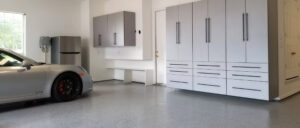
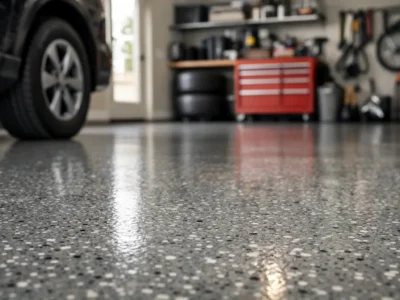
A garage floor handles far more than parked vehicles. It carries lawn equipment, bikes, sports gear, tool carts, dropped boxes, muddy shoes, and the daily traffic of a busy household. So, how long does epoxy flooring last when it is asked to perform under all that pressure? With professional preparation and proper care, a high-quality epoxy floor can commonly last 10 to 20 years. In the right conditions, it may last longer.
That range matters because no two garages experience the same wear. A lightly used garage in a mild climate has different demands than a family workspace in North Texas or a garage in the Las Vegas area exposed to extreme summer heat. The coating itself matters, but the preparation, installation quality, and everyday use determine whether the floor remains a one-time investment or needs attention much sooner.
How Long Does Epoxy Flooring Last in Real Conditions?
A professionally installed epoxy flooring system generally provides 10 to 20 years of dependable service in a residential garage. Some floors stay attractive beyond that point, while others need repair or recoating earlier because of moisture, poor concrete preparation, heavy impacts, or chemical exposure.
The key distinction is between a true flooring system and a thin paint-like product applied over concrete. Epoxy is a resin-based coating that bonds to a properly prepared slab and cures into a hard, protective surface. When it is installed correctly, it helps protect concrete from staining, dusting, abrasion, and many common garage spills.
However, epoxy is not indestructible. Sharp impacts can chip it. Prolonged sunlight can cause some epoxy systems to yellow or fade. Hot tires, moisture vapor rising through concrete, and improper cleaning products can all shorten its service life. A reliable installer should explain these realities before recommending a solution, not after the floor is complete.
The Factors That Determine Epoxy Floor Life
The longest-lasting epoxy floors begin below the surface. Concrete may look solid, but it can hold moisture, oil residue, old coatings, and invisible contaminants that interfere with adhesion. If the epoxy cannot bond securely to the slab, it may peel, blister, or delaminate regardless of how premium the product is.
Concrete preparation comes first
Professional preparation typically includes evaluating the slab, addressing cracks where appropriate, mechanically profiling the concrete, and thoroughly removing dust and contaminants. This creates the surface texture needed for the coating to bond.
Skipping this step is one of the most common reasons a floor fails early. Acid etching or a quick wash may not provide enough preparation for every slab, particularly in garages with oil staining, dense concrete, or existing coatings. The floor may initially look finished, then begin lifting in high-traffic areas months or years later.
Moisture can undermine a coating
Concrete naturally releases moisture vapor. In some garages, particularly those with drainage issues or slabs without effective vapor protection, that moisture can push against the coating from below. The result may be bubbling, peeling, or cloudy areas.
A professional assessment helps identify moisture concerns before installation. Sometimes the answer is a moisture-mitigating primer. In other cases, homeowners may need to address water intrusion around the garage before any coating system is installed. Treating the cause is always better than coating over a problem.
Daily use affects wear patterns
A garage used mainly for parking vehicles will wear differently than one that also serves as a hobby area, fitness space, sports equipment drop zone, and household storage center. Rolling heavy equipment, dragging metal items, and repeatedly dropping tools can create localized damage over time.
That does not mean an active family should avoid epoxy flooring. It means the coating should be selected and installed for how the space will actually be used. A well-organized garage also reduces unnecessary wear by keeping bikes, bins, tools, and seasonal items off the floor and in designated storage areas.
Sunlight and heat deserve attention
Standard epoxy can be sensitive to ultraviolet light. If direct sunlight reaches part of the floor regularly, especially near openings or windows, that section may amber or fade before the rest of the garage. In hot climates, heat can also place added stress on the flooring system.
A professional may recommend a UV-stable topcoat or another high-performance coating option where sun exposure is significant. This is an example of why the least expensive coating is not always the best value. The right system is the one designed for your slab, your climate, and your family’s routines.
What a Well-Maintained Epoxy Floor Looks Like Over Time
Epoxy flooring does not require complicated upkeep, but consistent care protects its appearance. Dust, grit, and road debris act like sandpaper under tires and shoes. Regular sweeping or blowing out the garage helps limit surface abrasion, especially in busy households.
For routine cleaning, use a soft broom, microfiber mop, or a gentle floor cleaner recommended for coated surfaces. Clean automotive fluids, fertilizer, paint, and chemical spills promptly. Epoxy resists many stains, but allowing harsh materials to sit for long periods is unnecessary risk.
Avoid aggressive wire brushes, highly abrasive pads, and cleaners that leave a slippery residue. If you use a pressure washer, keep the pressure appropriate for the surface and avoid concentrating the stream at edges, seams, or existing chips. The goal is to clean the coating without forcing water beneath it.
Small chips or scratches should be addressed before they spread. A qualified flooring professional can evaluate whether a localized repair will blend successfully or whether a larger refresh is the better approach. Early attention keeps minor cosmetic damage from becoming a larger issue.
Signs Your Epoxy Flooring May Need Service
Normal aging is not always a reason to replace a garage floor coating. Surface scuffs, reduced gloss, and minor wear in parking areas can often be corrected with a maintenance coat. The more serious warning signs involve adhesion and moisture.
Watch for peeling sections, bubbles, lifting at the edges, recurring cracks, or areas where the coating feels loose underfoot. These issues can indicate that the concrete bond has failed or moisture is affecting the system. A floor that has become dangerously slick when wet may also benefit from a refreshed topcoat with the right traction profile.
Discoloration alone is more nuanced. Yellowing from sunlight can be cosmetic, while dark stains may be cleanable depending on the material and how quickly the spill was treated. An experienced evaluation can separate an appearance concern from a structural coating problem.
Is Epoxy the Right Long-Term Choice for Your Garage?
Epoxy flooring is a strong option for homeowners who want a clean, finished garage that is easier to maintain than bare concrete. It creates a polished foundation for cabinetry, shelving, slatwall, work surfaces, and overhead storage, helping the entire room feel intentional rather than overcrowded.
Its trade-off is that performance depends heavily on installation conditions. A floor cannot be expected to last decades if the slab was not properly prepared, if moisture was ignored, or if the system was selected without considering sun, heat, and use. Professional installation is not just about achieving a better-looking finish. It is about making sound decisions before the coating is applied.
For families building a garage that supports everyday storage, projects, and active weekends, the floor should work as hard as every other part of the space. A durable coating paired with smart organization keeps clutter off the ground, simplifies cleanup, and gives the garage the finished feel it deserves.
The best time to think about flooring is before your garage fills back up. Start with an honest look at how your family uses the space, then choose a coating system and organization plan built to hold up for the long run.
 Garage Floor Coating Review for Lasting Value